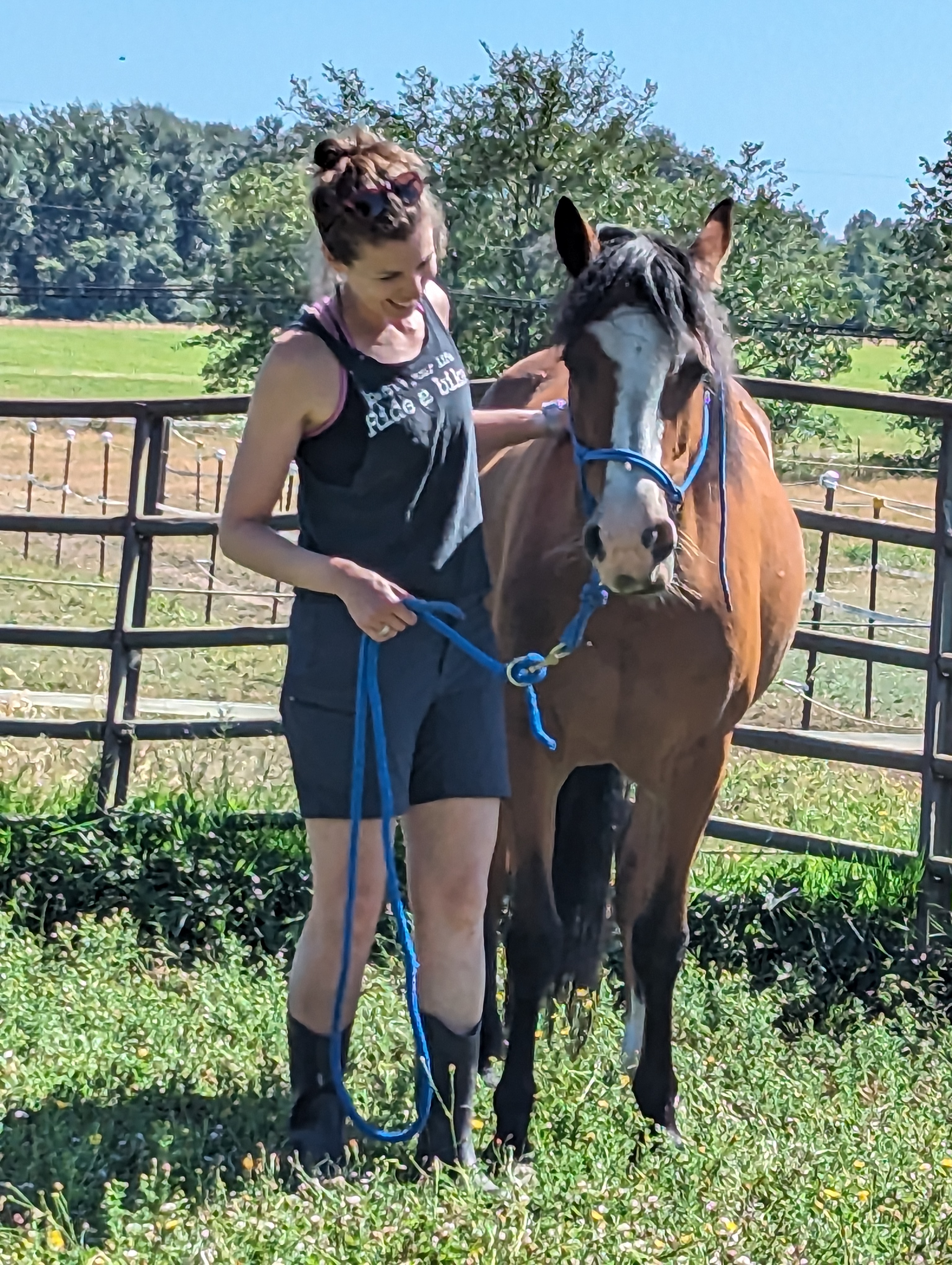
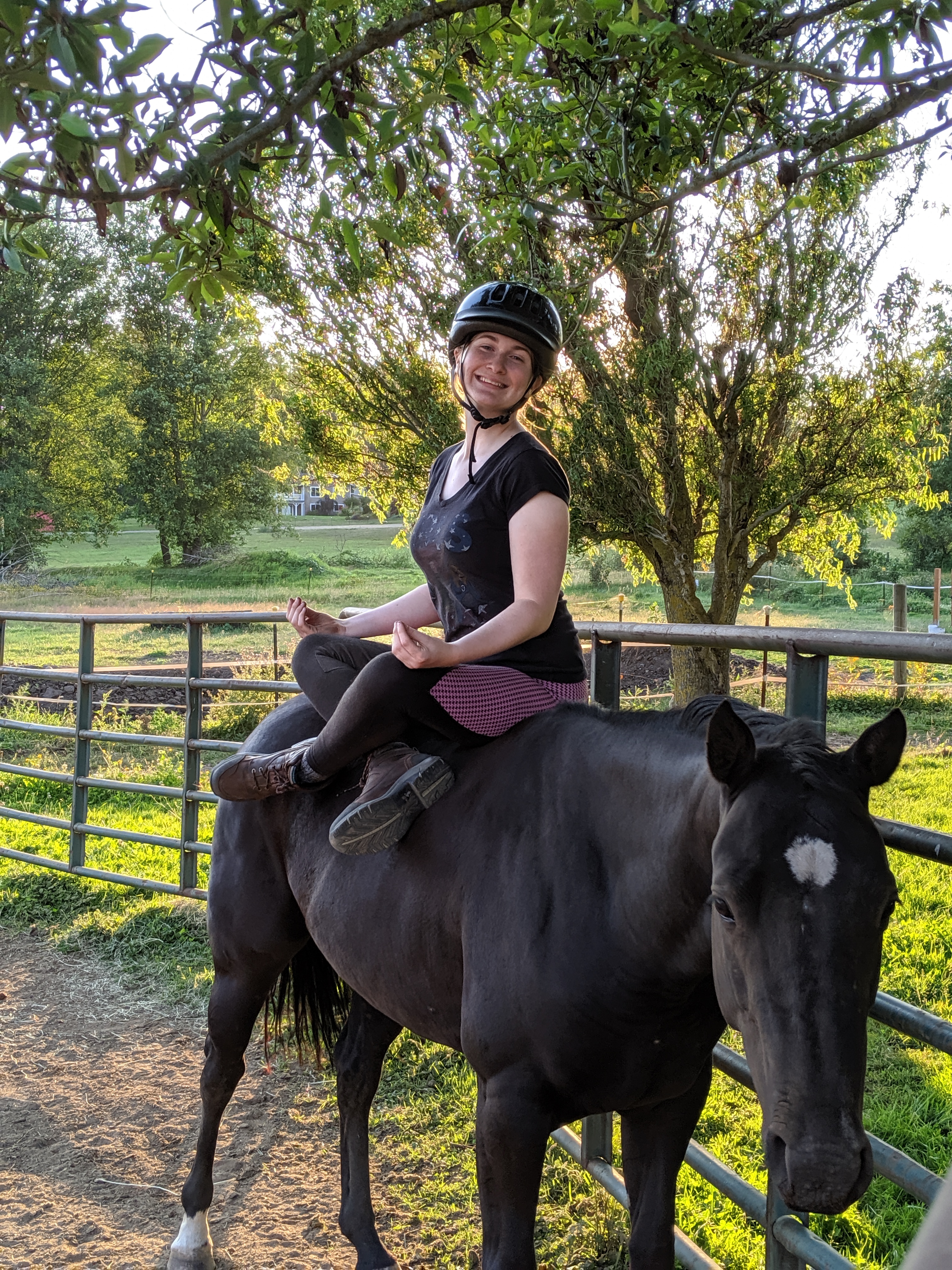
The Wyndover Farm Internship offers education in horsemanship, equine behavior, health and welfare, training, handling, facilities maintenance, and so much more. I train horses to drive and the interns learn and participate in the complete process, from the ground up. This program is designed for equestrians WITH horse experience but little/no training or ownership experience. People can take riding lessons anywhere, it’s more challenging to find somewhere to learn everything else. There is a lot of fun to be had with ground work.
- I believe we, horses and humans, are in a state of constant learning.
- I believe in “see one-do one-teach one”. A great way to reinforce your experience/knowledge is to teach it to those lower on the experience hierarchy.
- I believe horses, like humans, continue to learn their entire lives. There are countless horse people with more experience than me, but there are also countless people I eclipse in knowledge and experience.
- I find I improve my skills and techniques by going over basics.
- In turn, I train with professionals with a greater skillset and level of expertise than me, so I can pass on what I learn.
As a kid, I interned at a farm in NH, very similar to mine. I was inspired by my trainer and learned so much about all things equine. I am the equestrian I am today much to the credit of Hannah Howard Altman. She introduced me to both dressage and driving and I rode my first cross-country and my first fox hunts with her. I found it to be an immersive experience and I wanted to offer that to others.
I want to be able to share my knowledge and experience without money changing hands. (But if money is important, I pay $15/hr for barn chores, I charge $50/hr for training. My internship is 4 hours per day [1-3 days/week]. Typically, there are 2 hours of chores/fences/maintenance/projects (like arena and course setup) and 2 hours of learning and training. So every intern session would cost the intern $70, after stall cleaning credit. I’m happy to take the money. ;-).)
I start each intern independently, based on their skillset. I prefer my interns to have an intermediate riding ability and have basic handling skills. Regardless, every intern starts with the basics, overseen by me or a more senior intern. As they progress, their skillset and toolbox will grow and they earn a higher level of autonomy and variety. Interns learn techniques on multiple horses, at various levels of training. Some of the skills learned or reviewed include:
- Most important – Safety around horses. Everything we do, safety is the most important factor
- Haltering, leading, tying
- Grooming, introducing various groom tools and how they work, determining the best tool for the job. This includes bathing and clipping, spraying, fly masks, blankets, etc
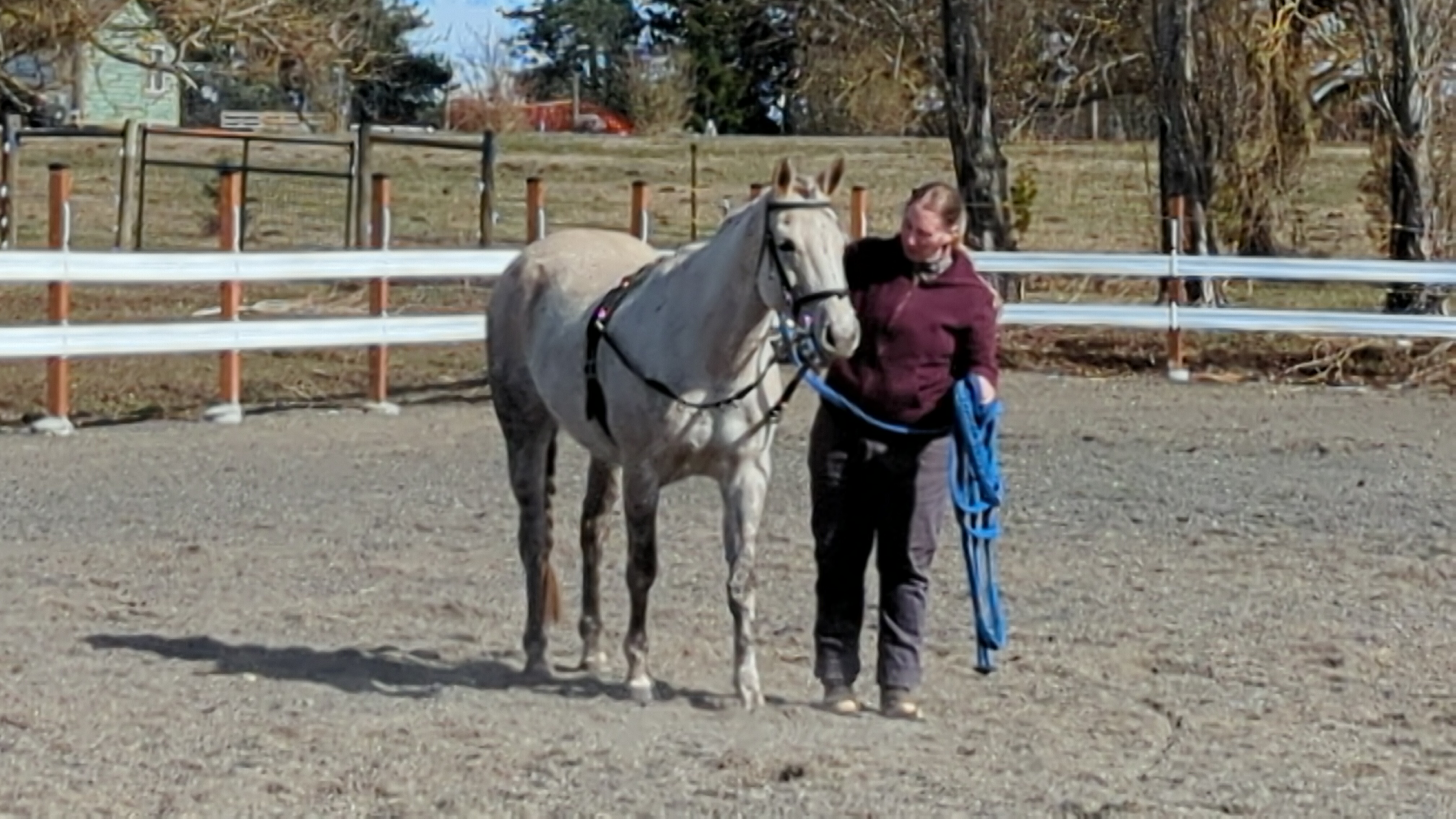
- Ground handling and manners lessons
- In-hand movements: how to move their feet from different positions, using different aids
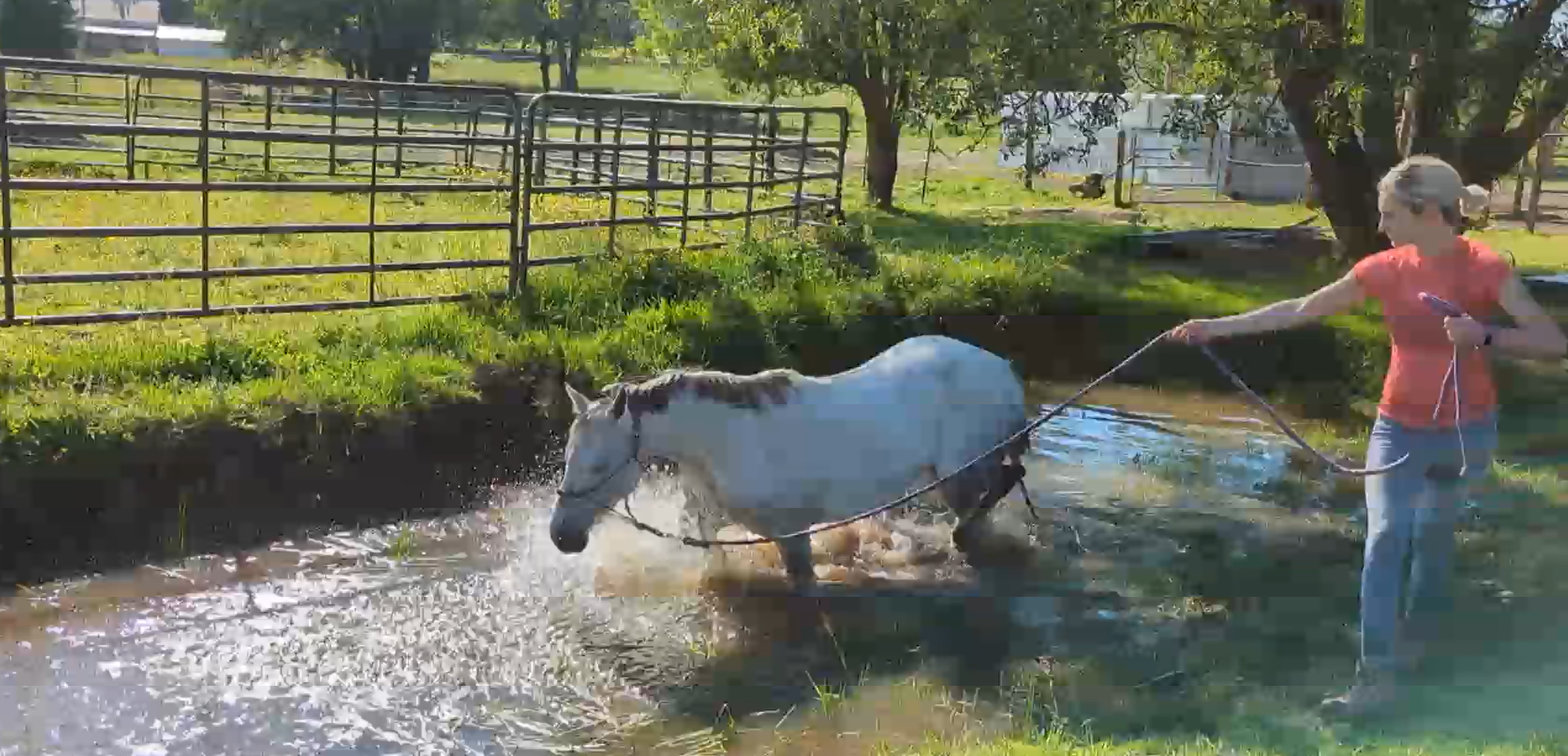
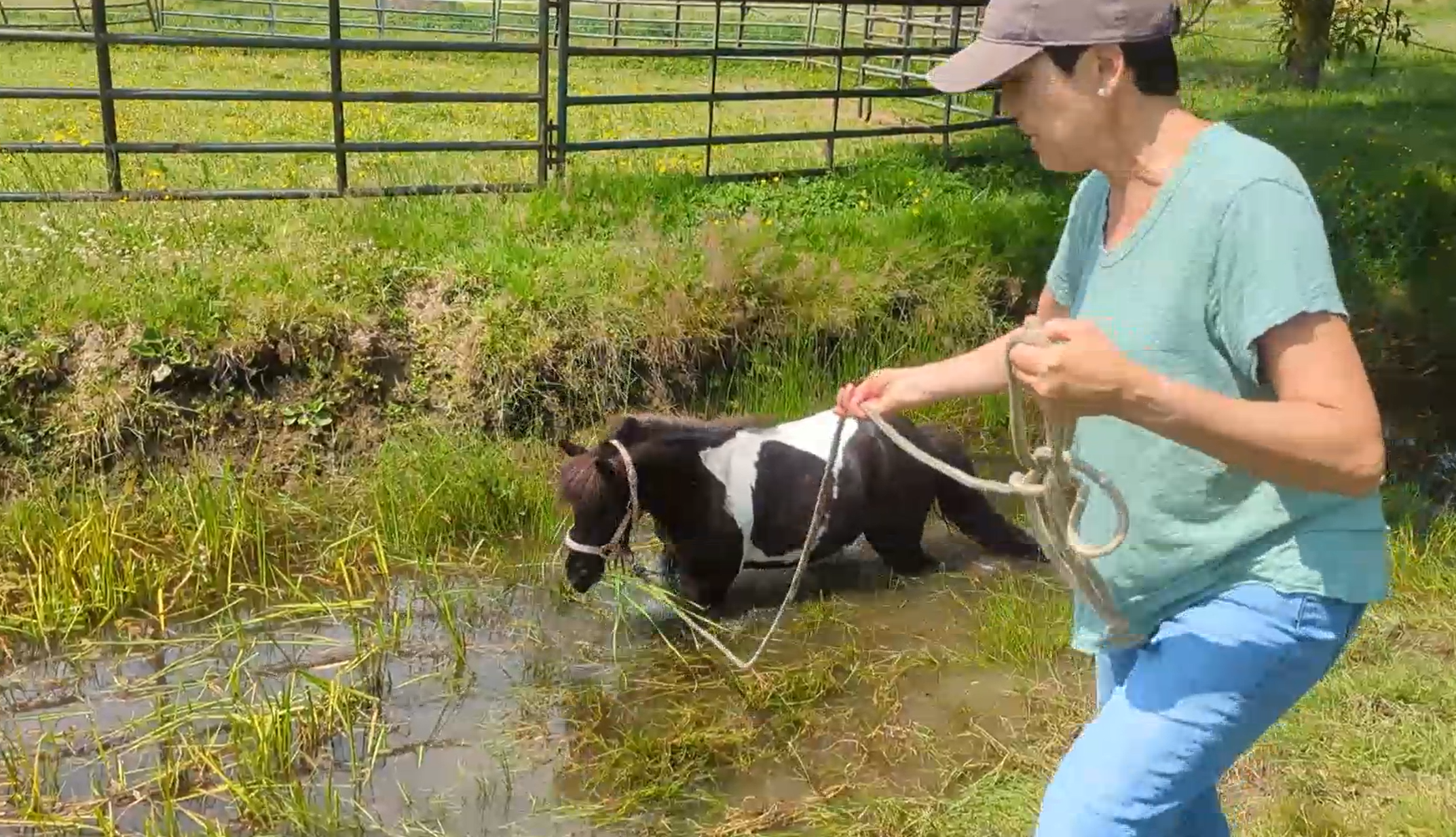
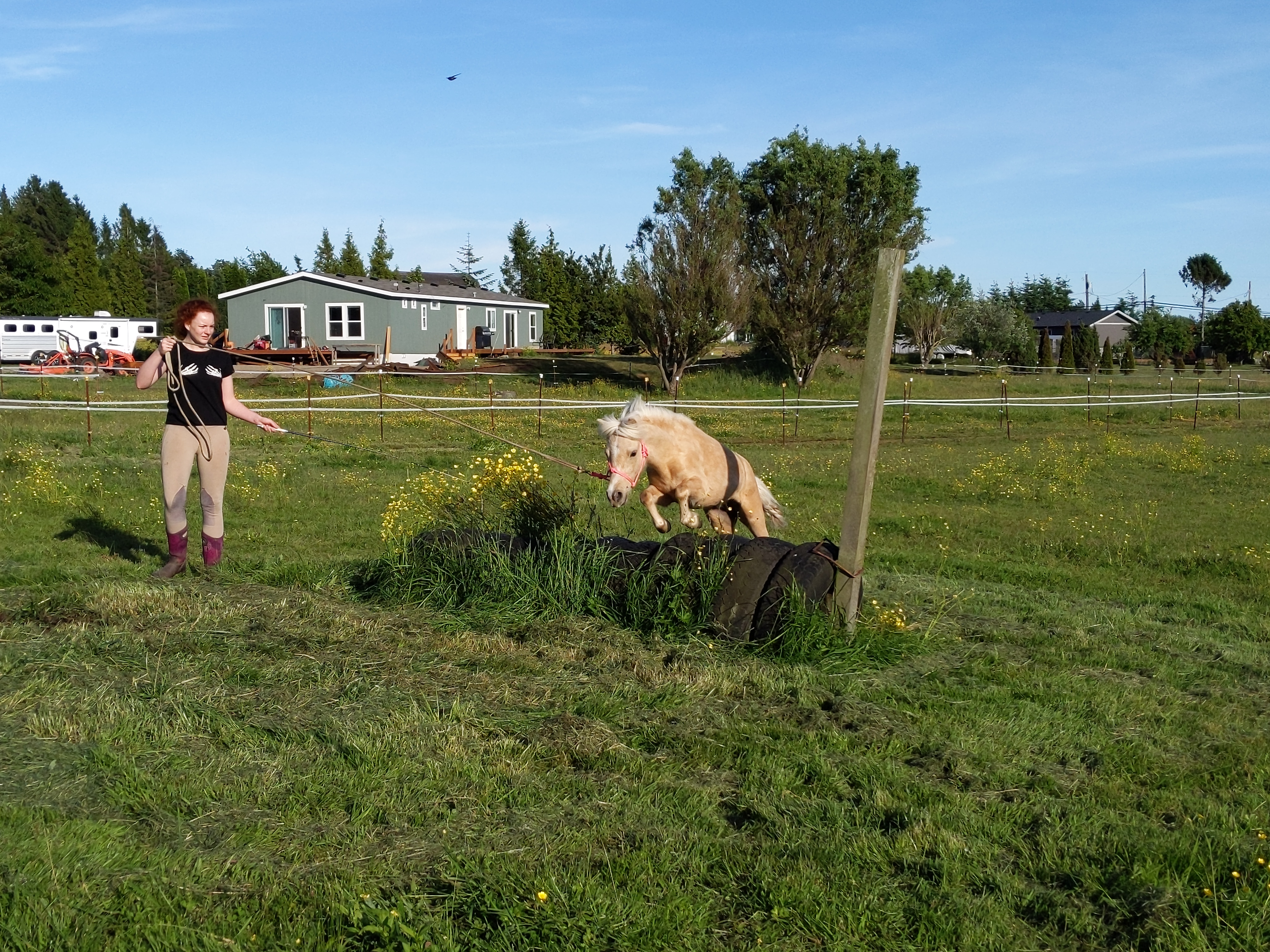
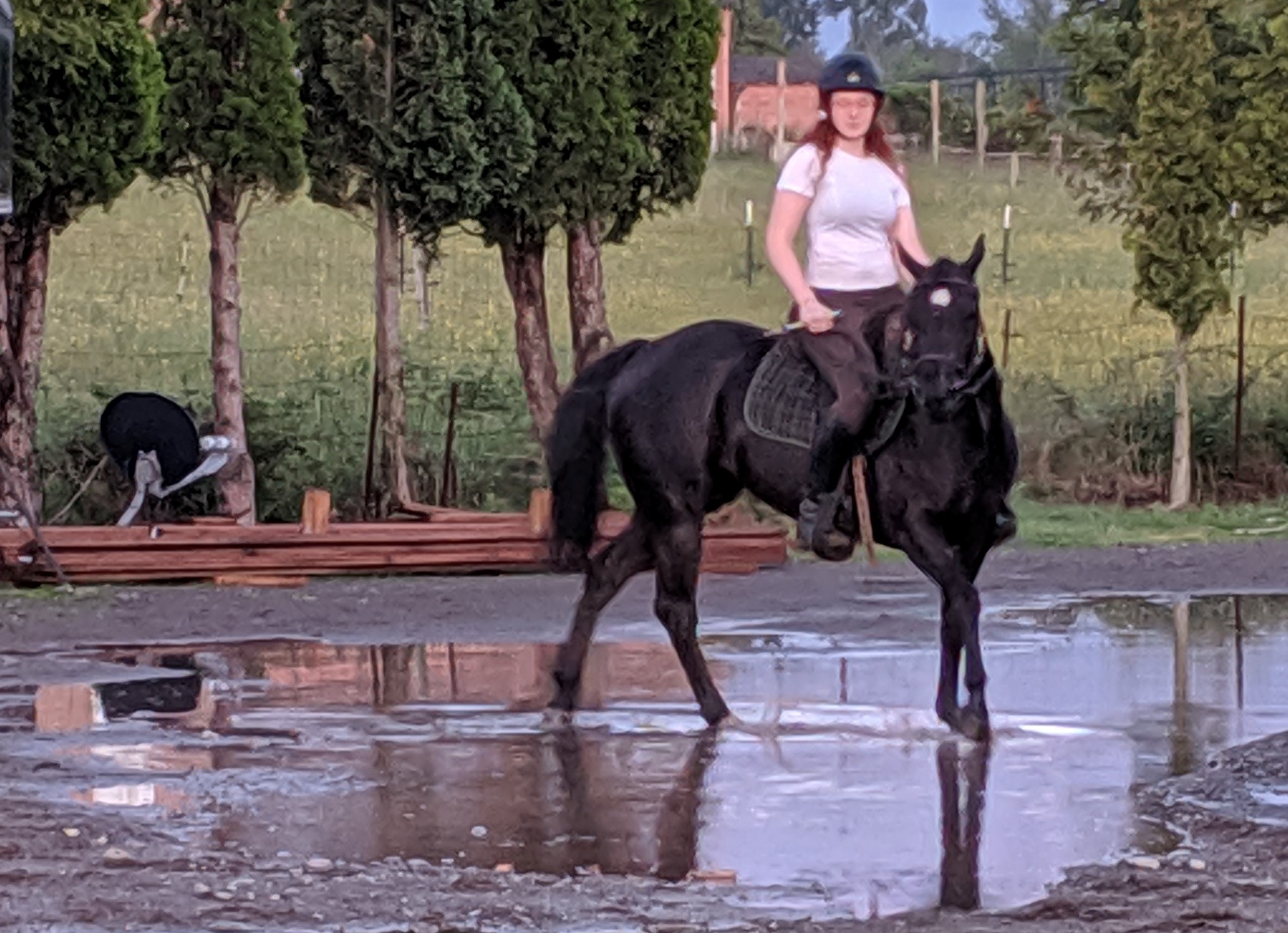
- More advanced in-hand activities: sending into water, over obstacles
- Round-penning philosophy and methodology
- Round-pen games
- Lounging and double-lounging
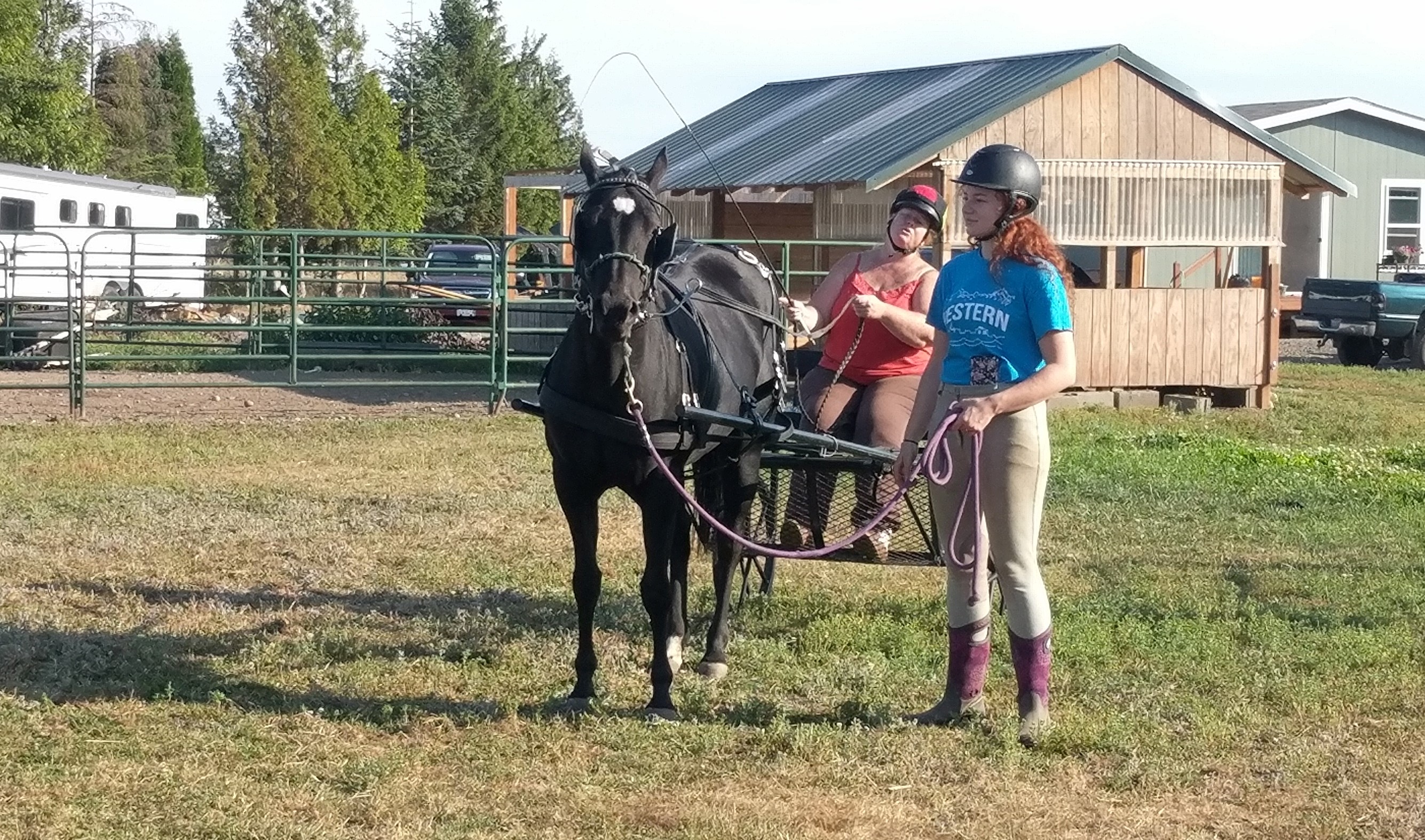
- Long-lining and Ground driving: techniques, aids, methods, tack
- How to teach an unhandled horse all of the above using natural horsemanship training techniques
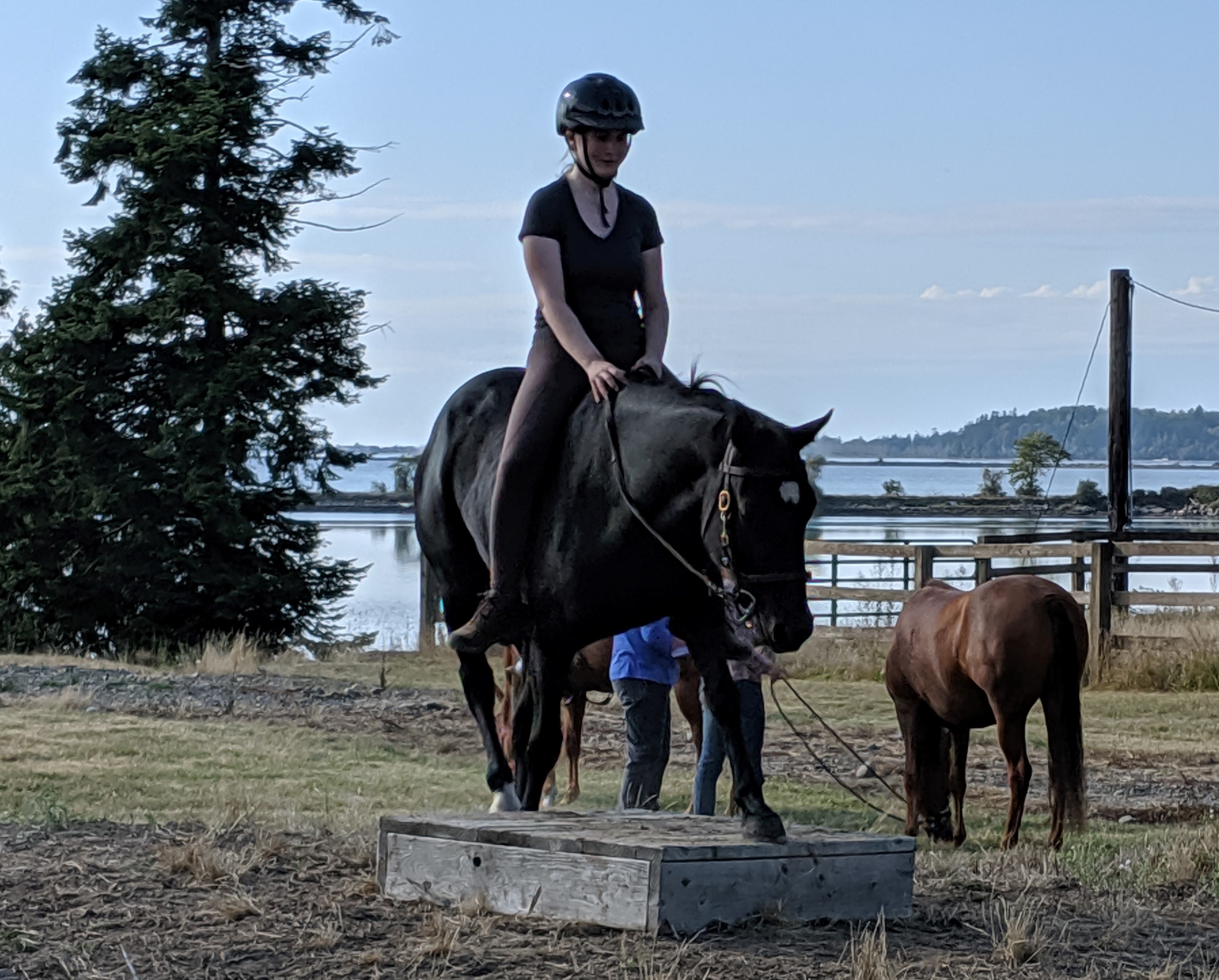
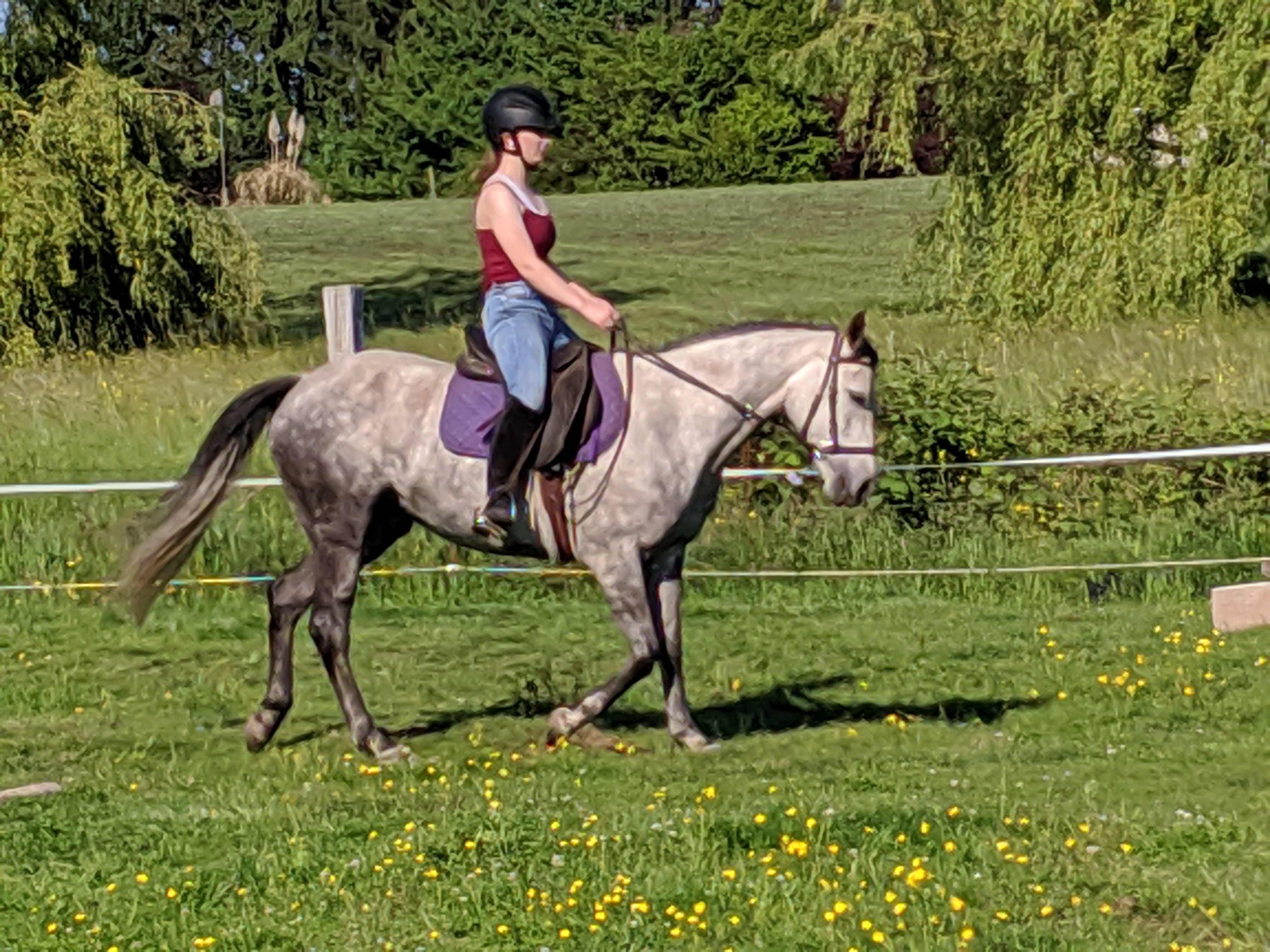
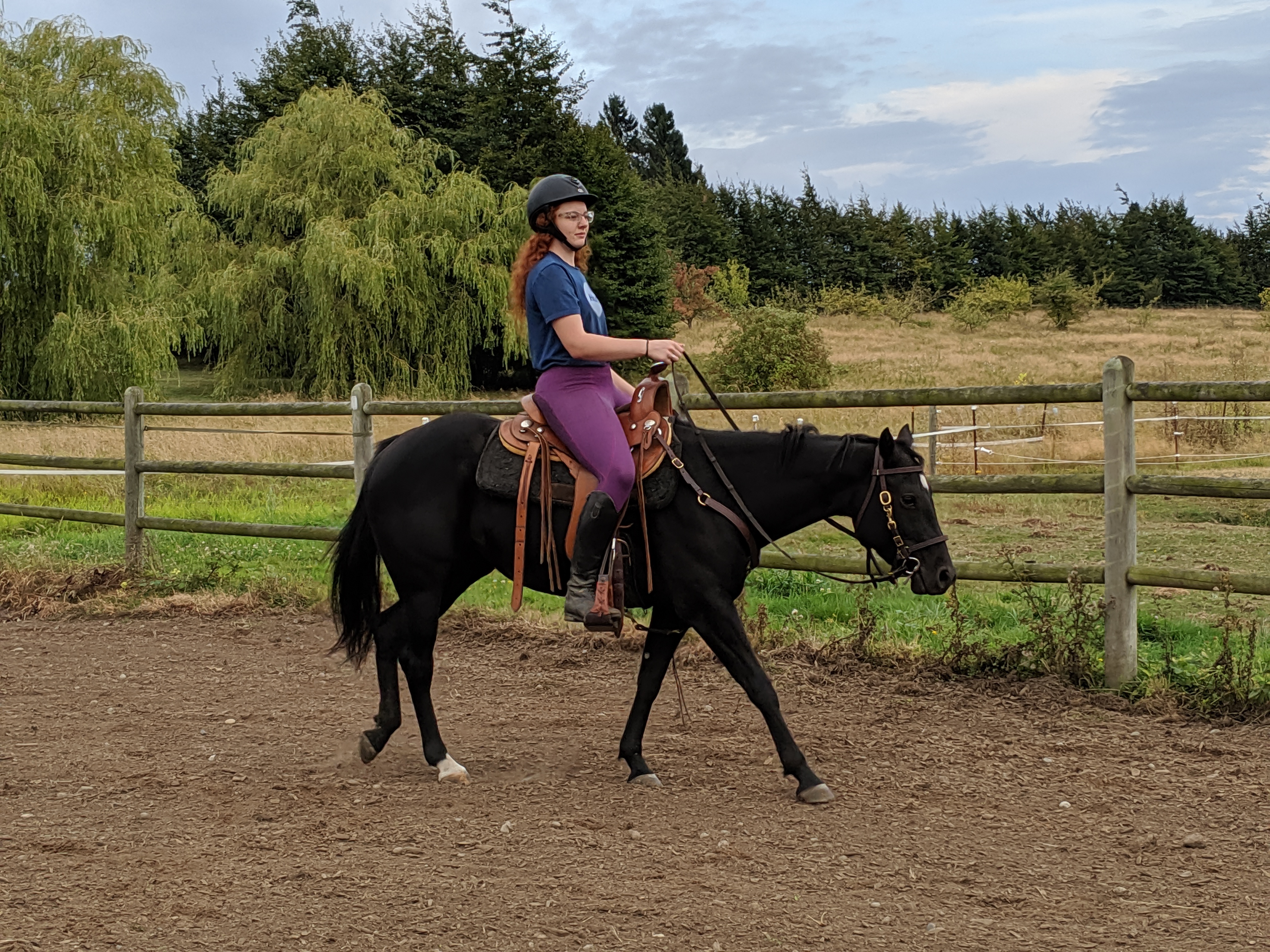
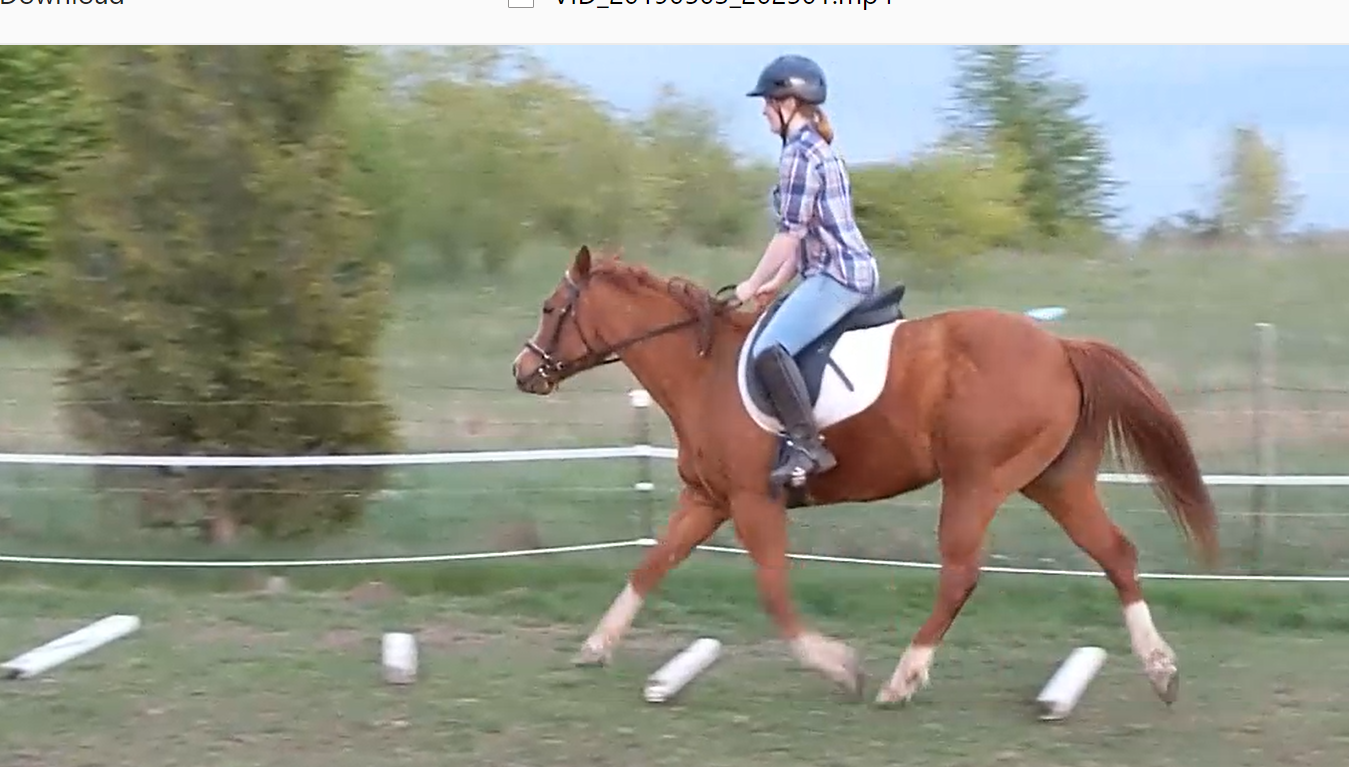
- Training a horse to ride, from the ground up – classical dressage focus with some low-level hunter-jumper
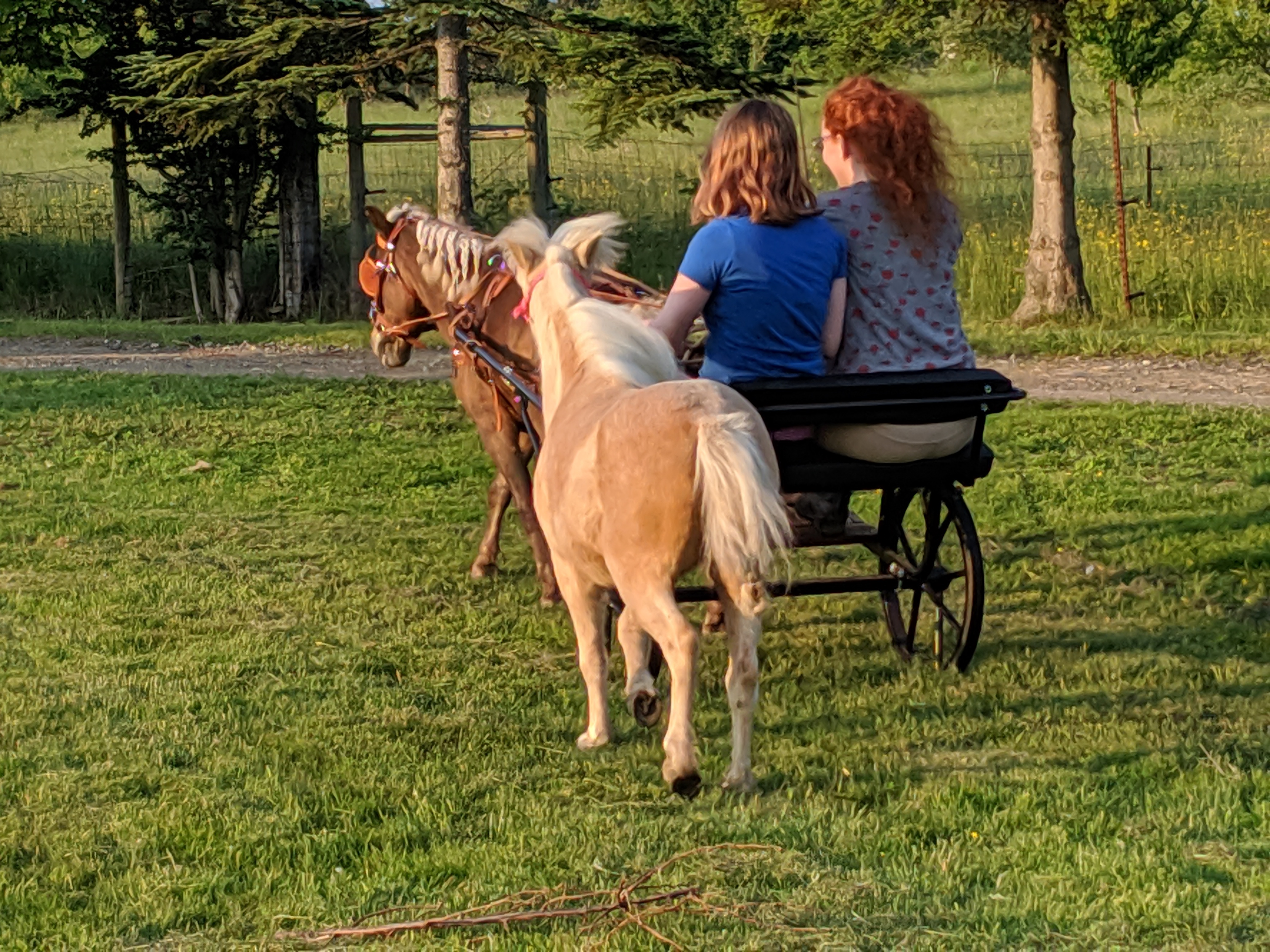
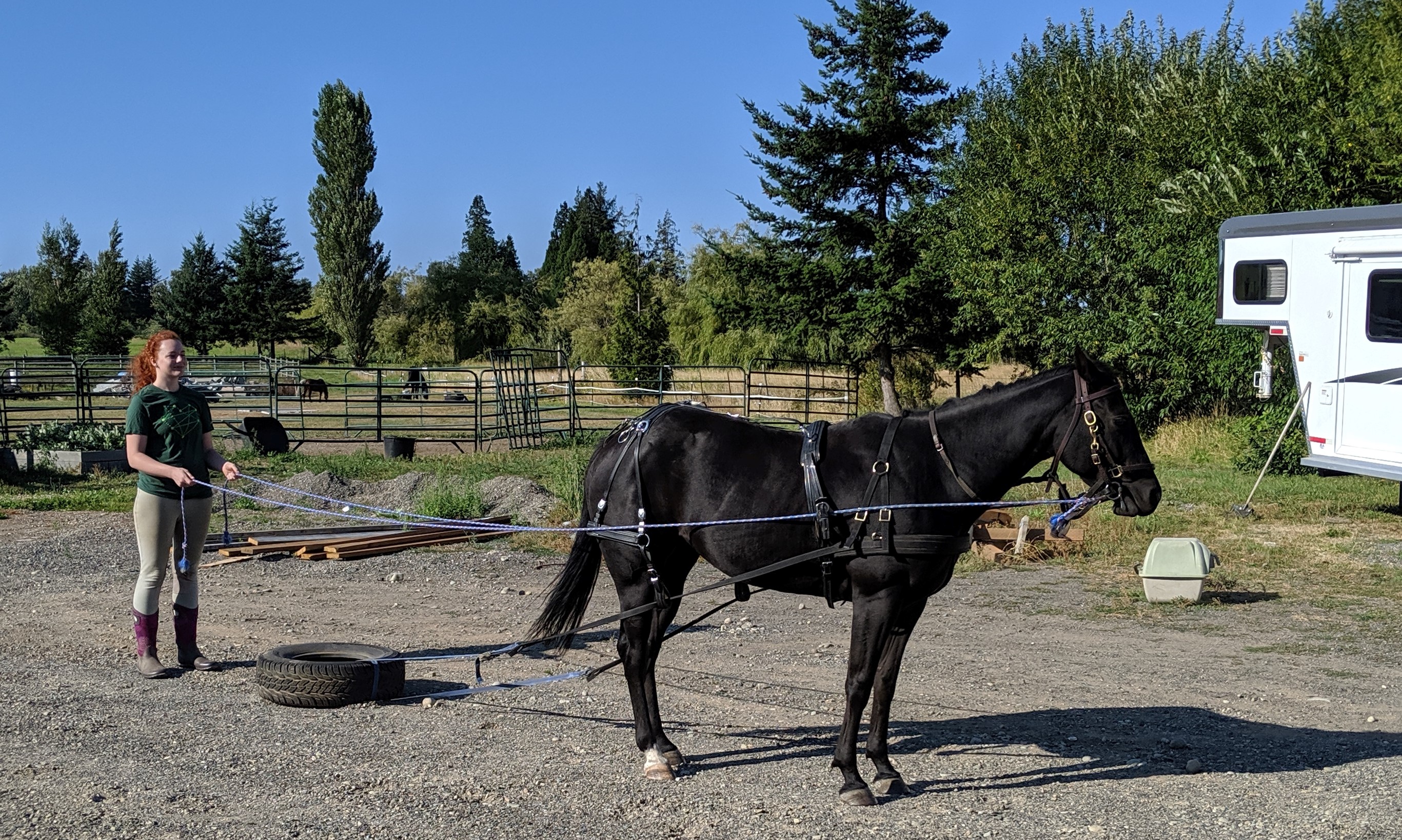
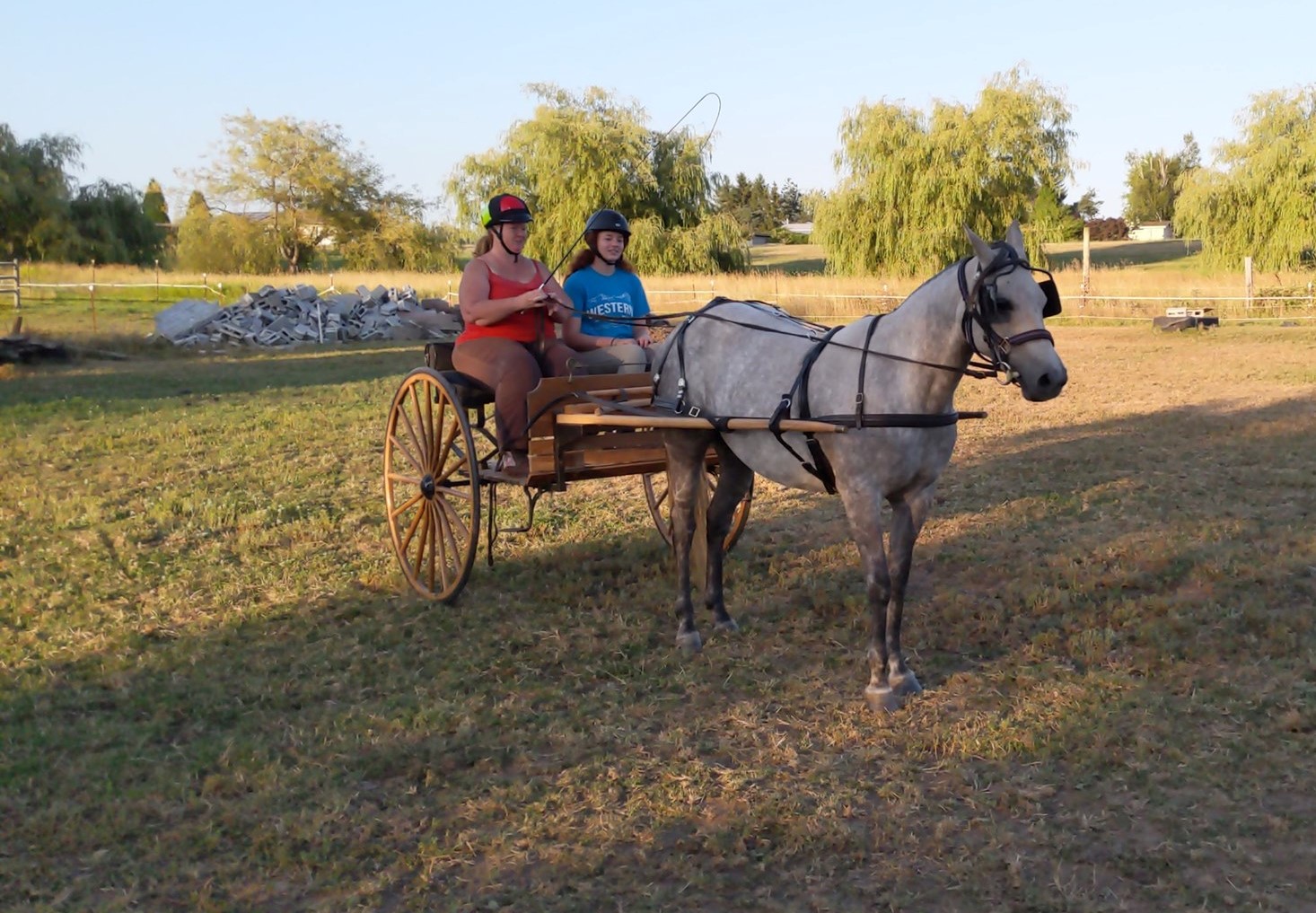
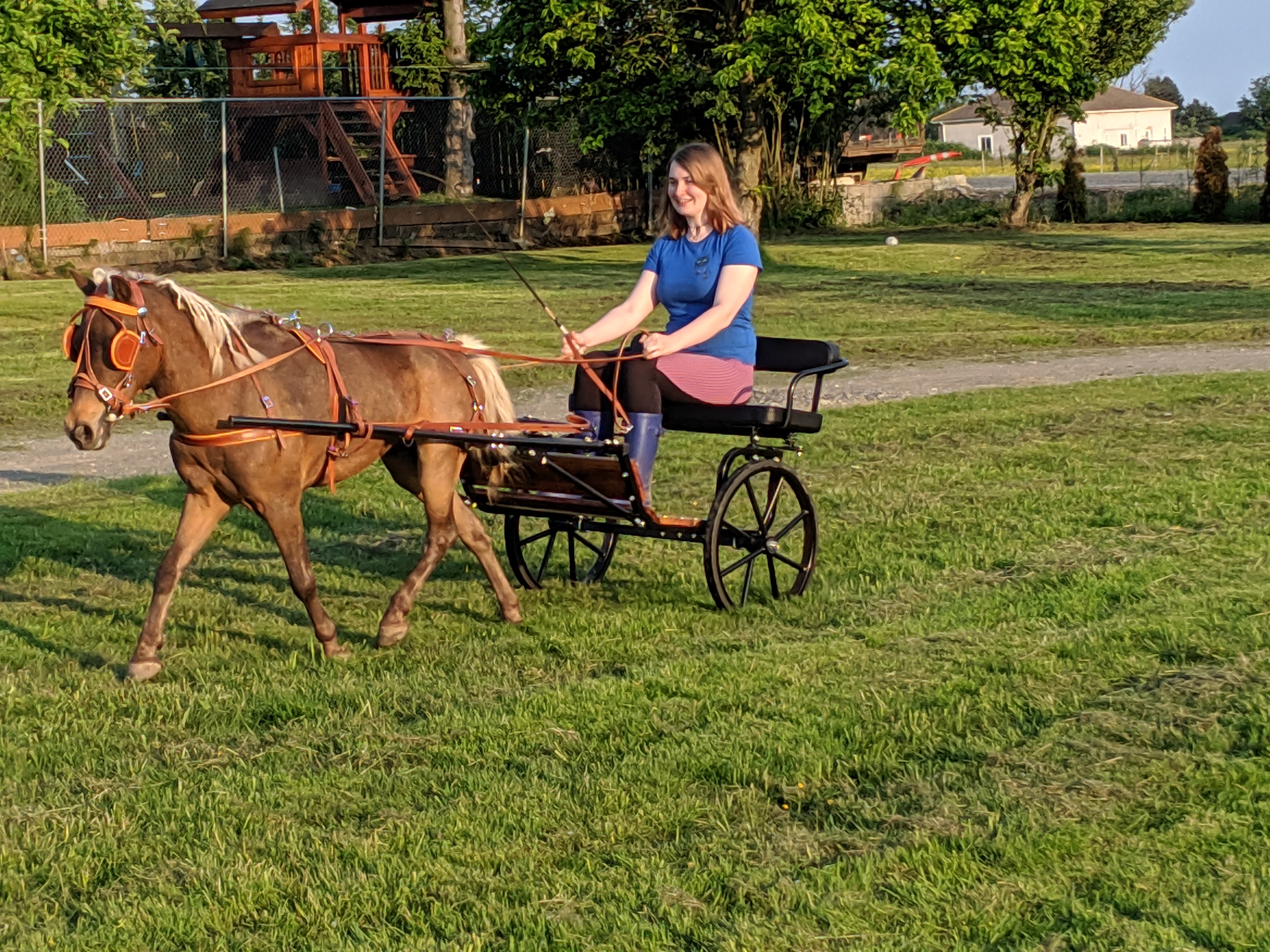
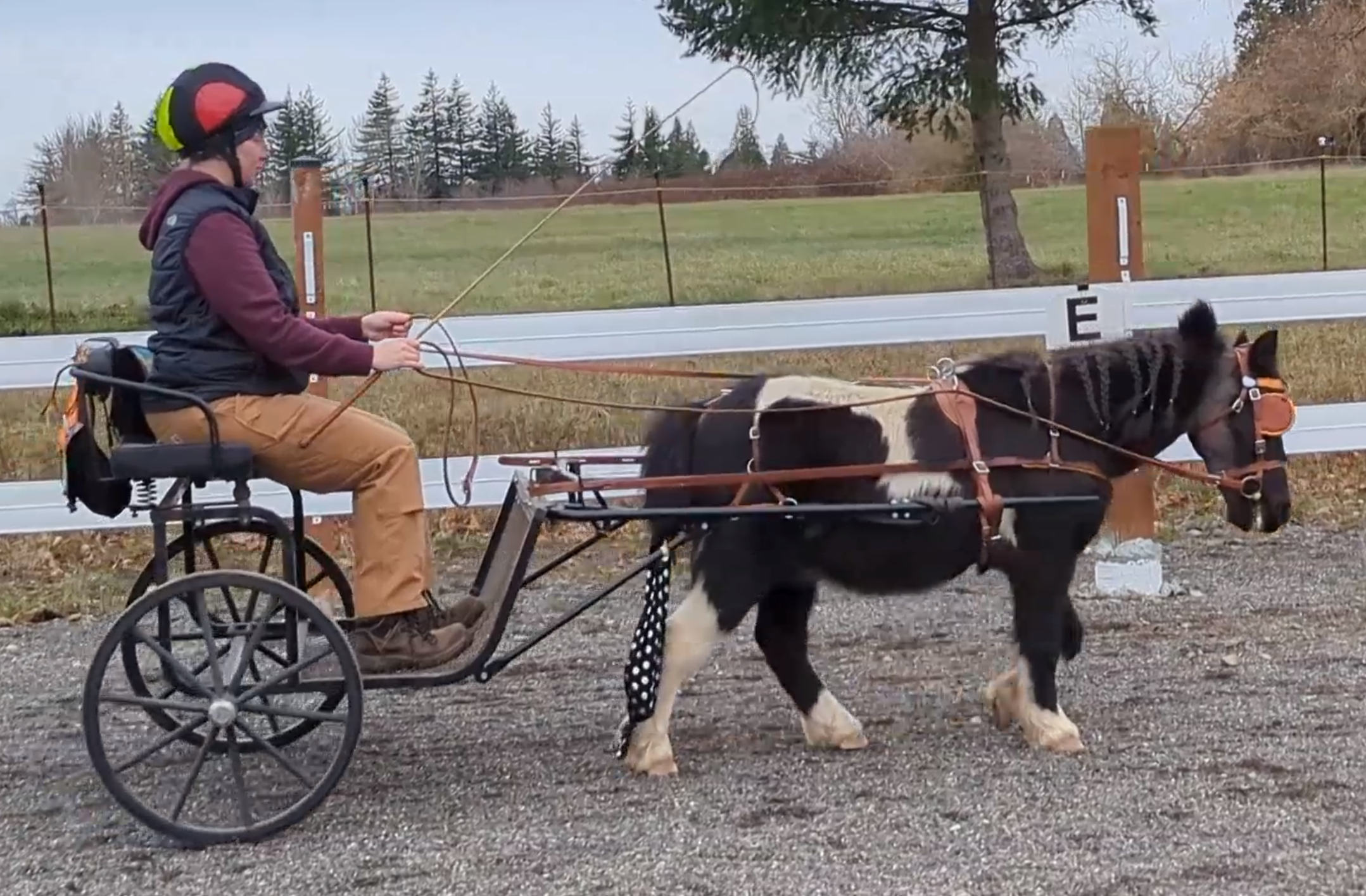
- Training a horse to drive, from the ground up – Combined Driving and Driven Dressage focus with exposure to roads and trails
- First aid, common ailments and treatments (when to call the vet)
- Proper etiquette for veterinary and farrier visits
- Event prep, groom, navigator, and eventually competitor
- Mucking stalls and manure management
- Fence maintenance
- Field maintenance: fertilizing, seeding, harrowing, rotations (also know as fun with the tractor)
- Designing a feeding plan and how to implement based on the horse’s individual needs
- Tack cleaning, maintenance, repair, and assembly (including all parts and how they go together and what purpose each piece serves.)
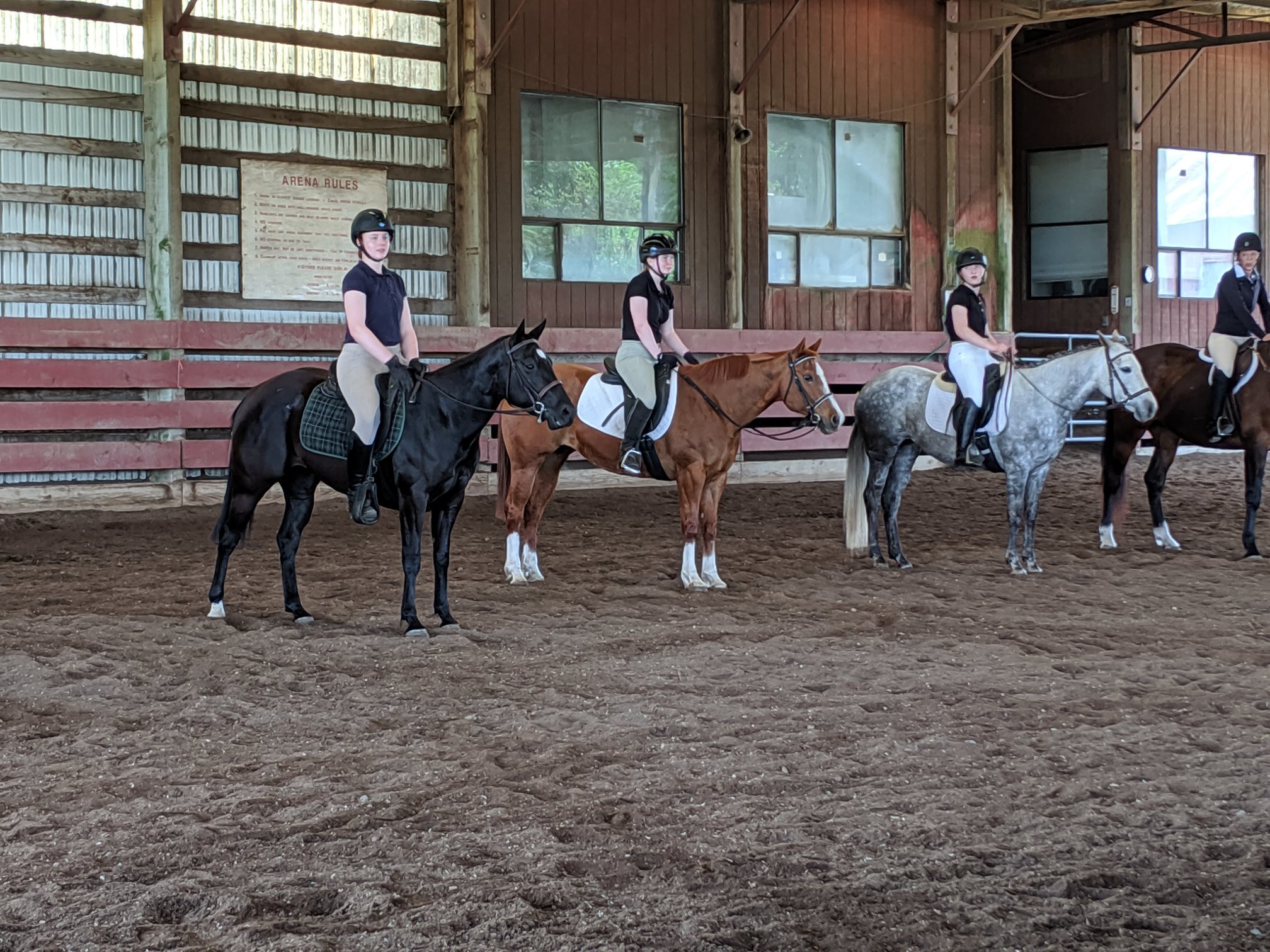
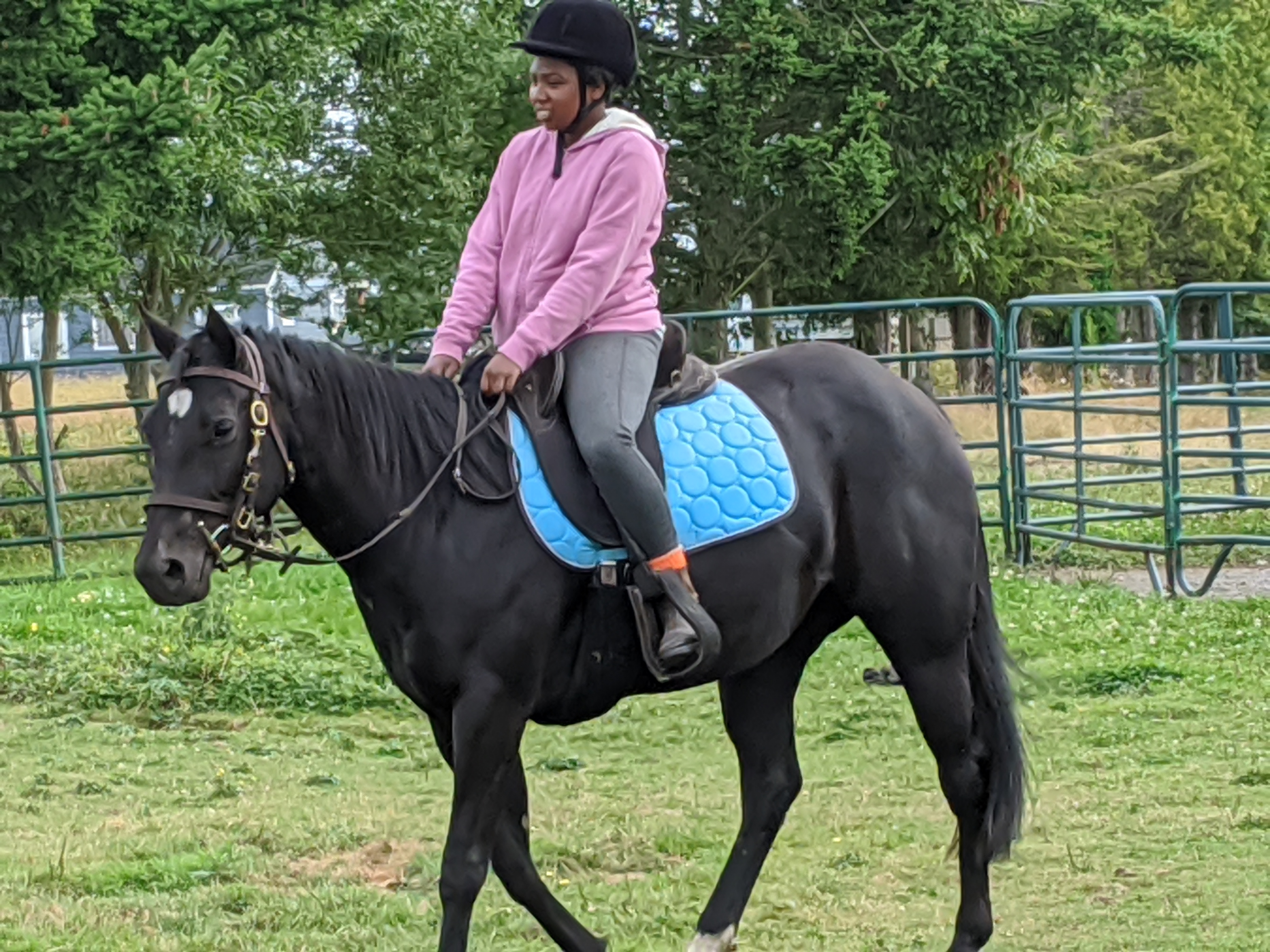
Equestrians best suited for this program are over 18 with their own transportation. Rarely have I worked with teens, I’m not a kid person and do not tolerate childish behavior. Special teens are considered on an individual basis. Interns should have a level of fitness. We walk MILES between chores and training. We lift wheelbarrows, buckets of water, bags of grain, bales of hay, and much more. Many of my interns, over the years, have been members of WWU Equestrian Team. I’ve also had several retired/semi-retired interns, over the years. Typically, these folks come to learn and experience everything that goes into owning a horse before they buy their own, or move their horse from a boarding facility to their own property.





 Wyndover Farm